about
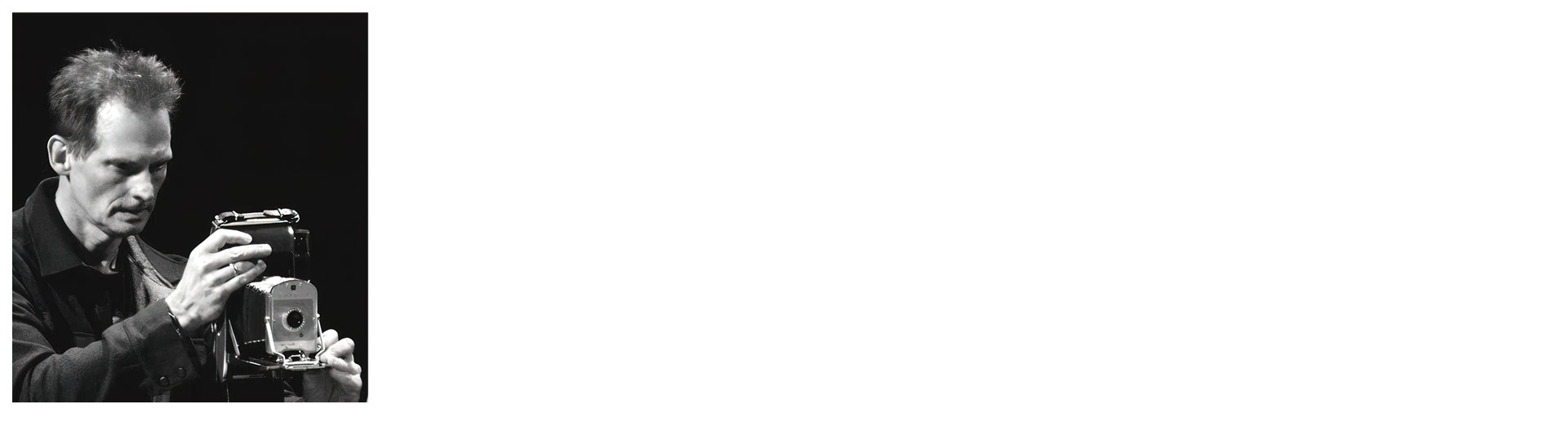
Douglas Goodwin is an interdisciplinary artist and filmmaker based in Altadena, California. His work spans moving image, computational photography, writing, performance, and engineered media systems. Across these forms, he examines how tools designed for speed, legibility, and convenience reorganize perception and belief, and how technical mediation can both reveal and obscure provenance, labor, and responsibility. This attention to technoscientific infrastructure runs through his practice as both subject and method: systems that translate, repair, and distribute images become models for how meaning moves through the world.
Goodwin describes his current trajectory as authentic synthesis, a practice of constructing mediated experiences that remain faithful to lived truth while expanding expressive capability through computation and signal-based techniques. Rather than treating AI as a shortcut to finished images, he approaches machine systems as material to be instrumented, stress-tested, and made accountable. Translation, repair, and approximation become aesthetic strategies that foreground the places where categories blur: human and nonhuman, organic and technological, witness and instrument.
Recent projects include Nearest Neighbor (2023, with Rebecca Baron), which uses humor to probe the desire to outsource understanding to technical proxies, and Lossless, an ongoing series that treats compression artifacts and codec failures as the material history of digital cinema. His films and projects have been presented at venues including the Ann Arbor Film Festival, BFI, CAVS at MIT, Harvard Film Archive, Oberhausen, TIFF, and Visions du Réel. From 2019 through 2025, he served as Fletcher Jones Scholar in Computation at Scripps College, where his research and teaching connected critical media practice with computation.