Vibecoding Shaders class
Vibecoding shaders is a classroom and a playground for writing GLSL shaders with a large language model as a code collaborator. It was built for Vibecoding, a Spring 2026 CalArts class in the Experimental Animation program that asks a specific question: how can artists use language models without becoming curators of finished images?
Most AI tools for artists end the work at a prompt. You describe a thing; the system hands you a finished image, video, or piece of music. Vibecoding shaders proposes a different shape. Students write small graphics programs — fragment shaders that decide the color of every pixel on screen — by working with the model as a programmer they collaborate with. Every line stays visible. The artist supplies what they want to make; the model supplies syntax, algorithms, and standard solutions. The conversation stays the artist's.
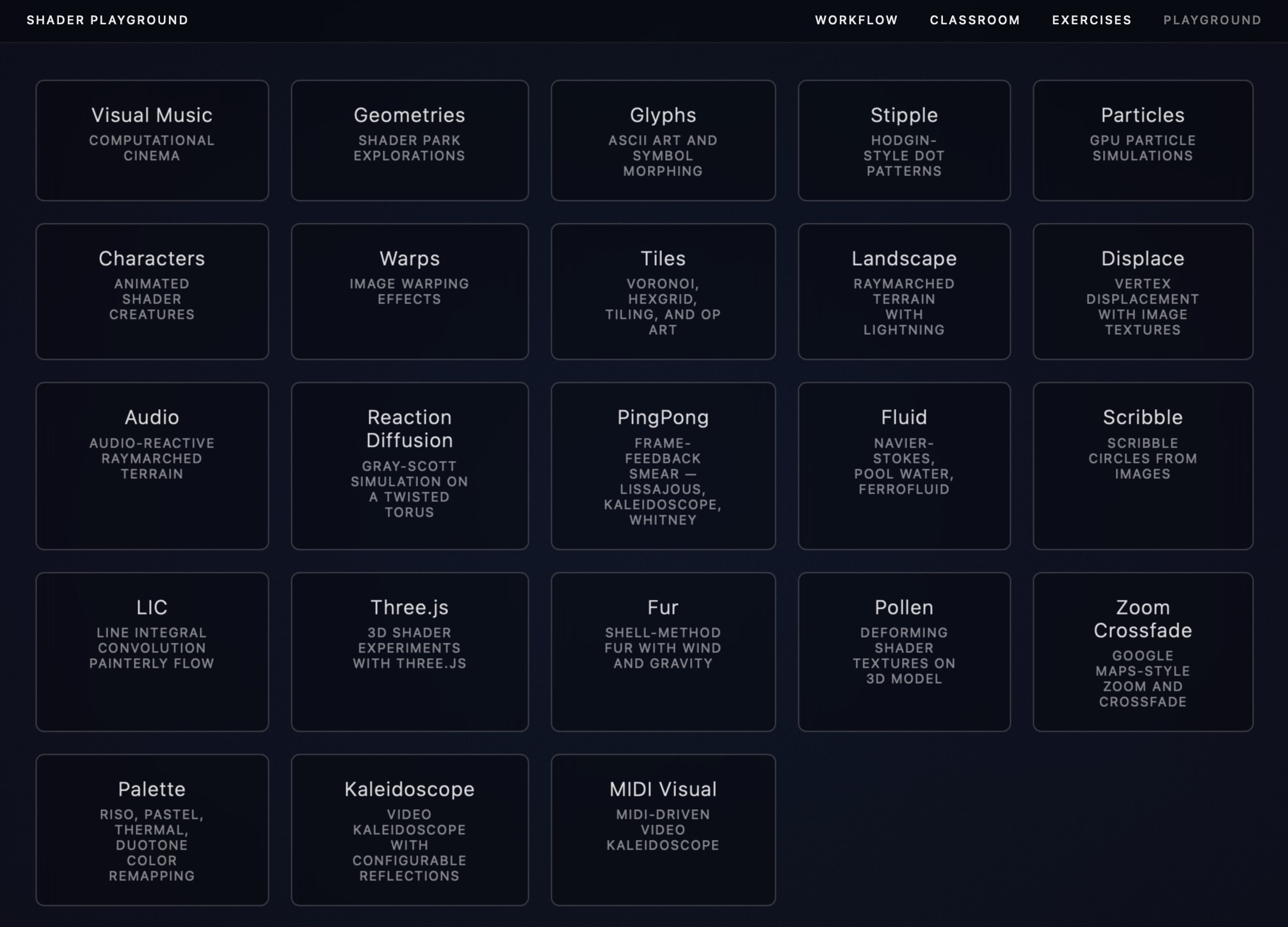
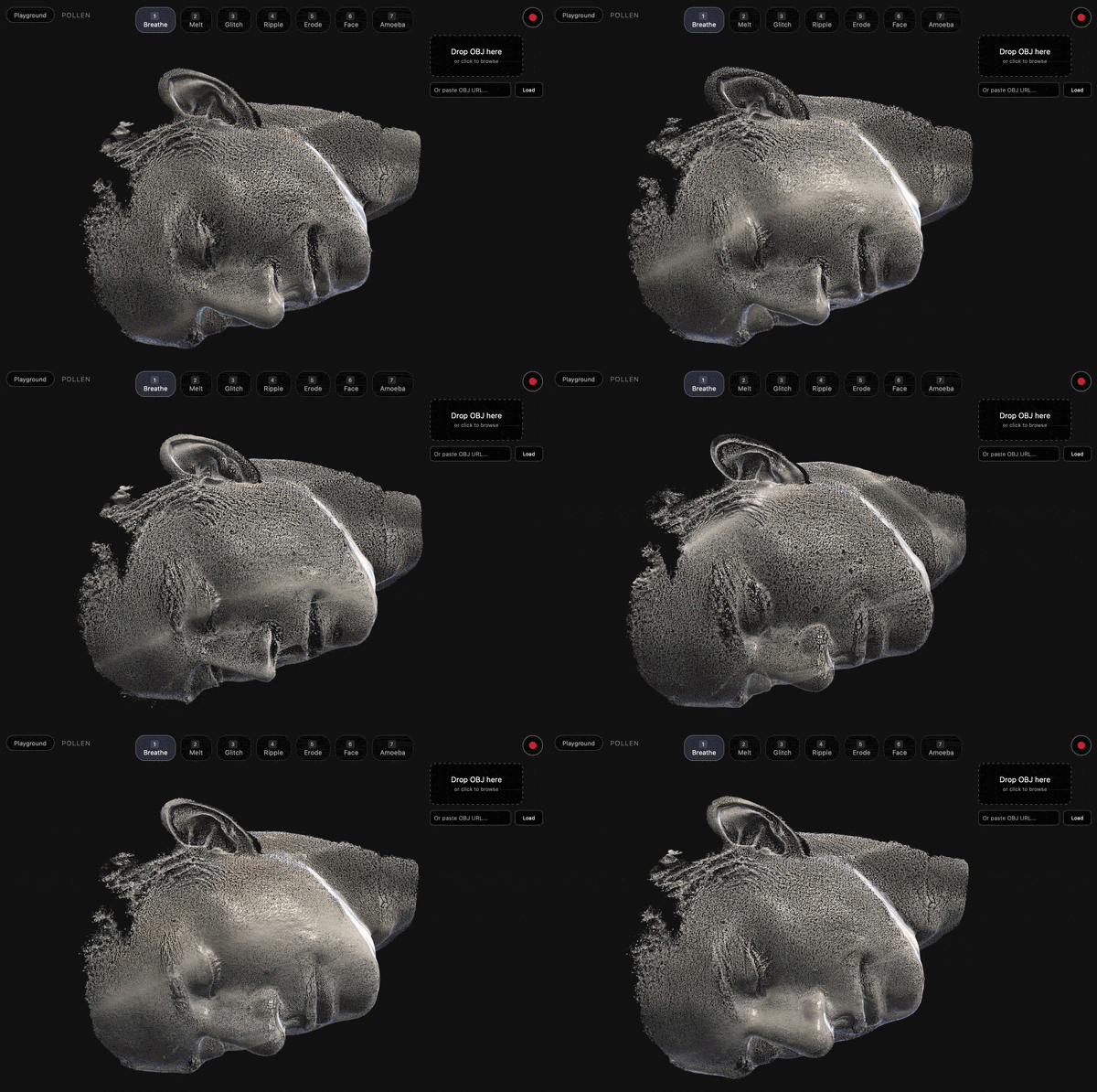
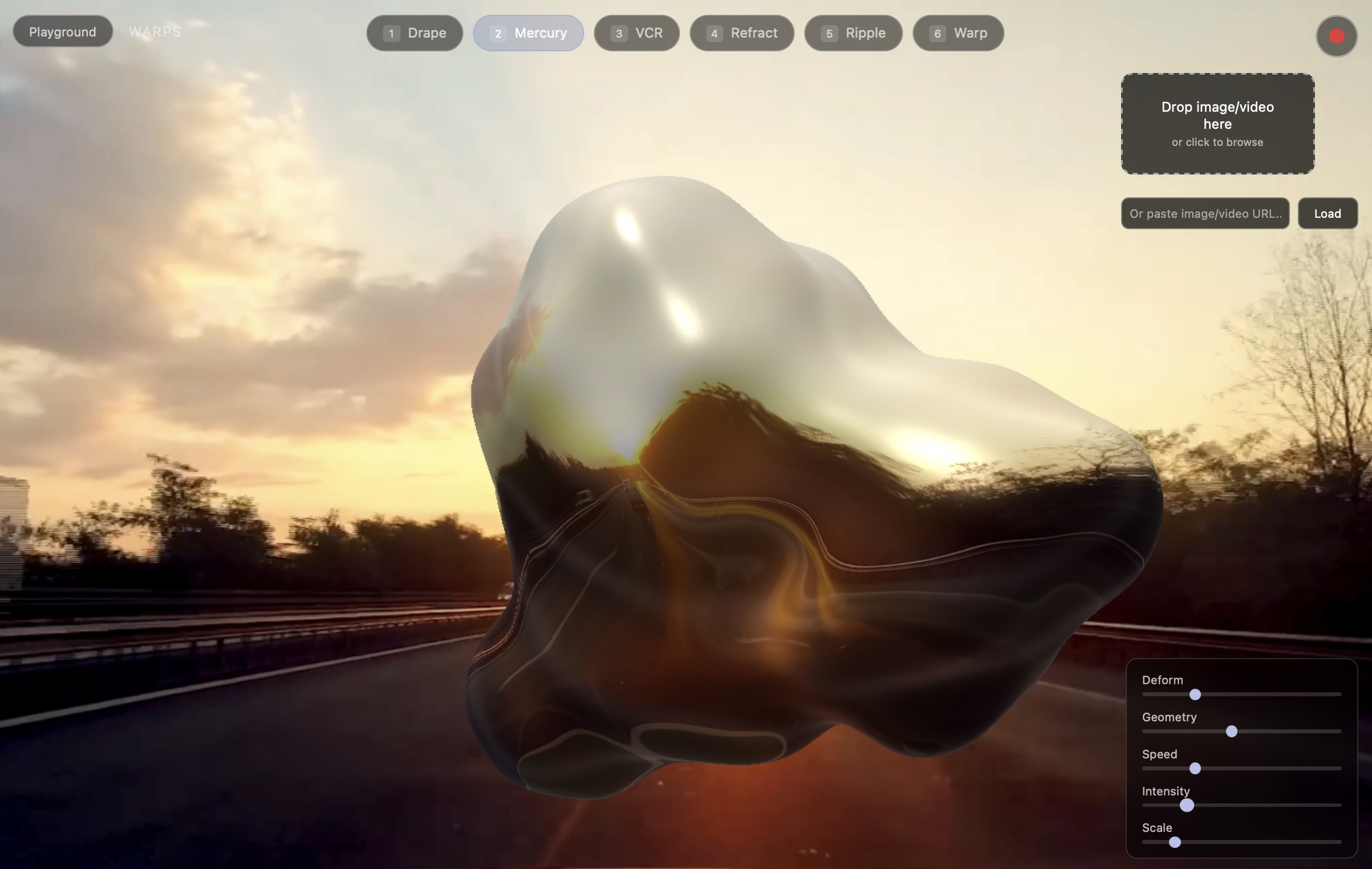
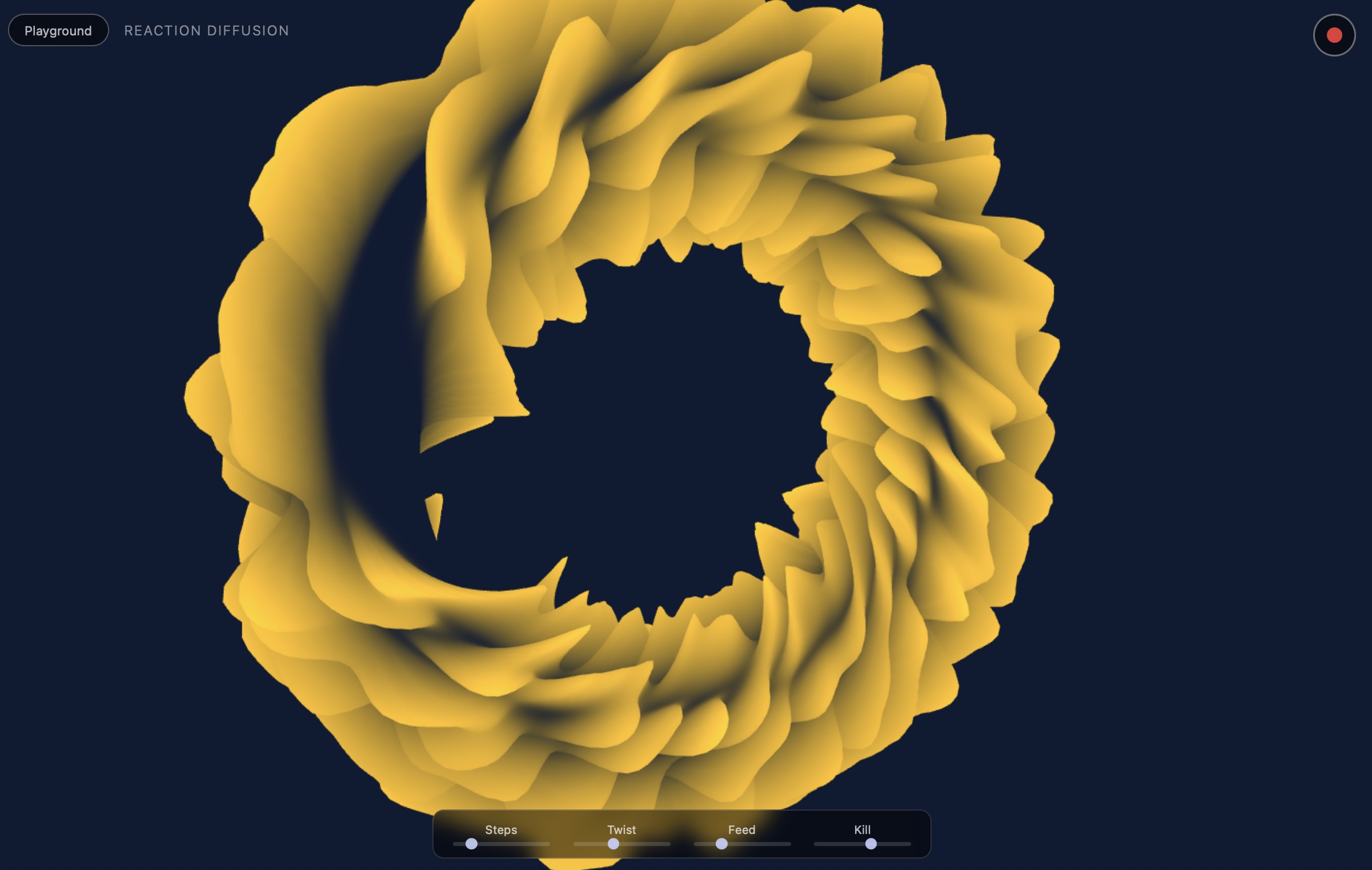
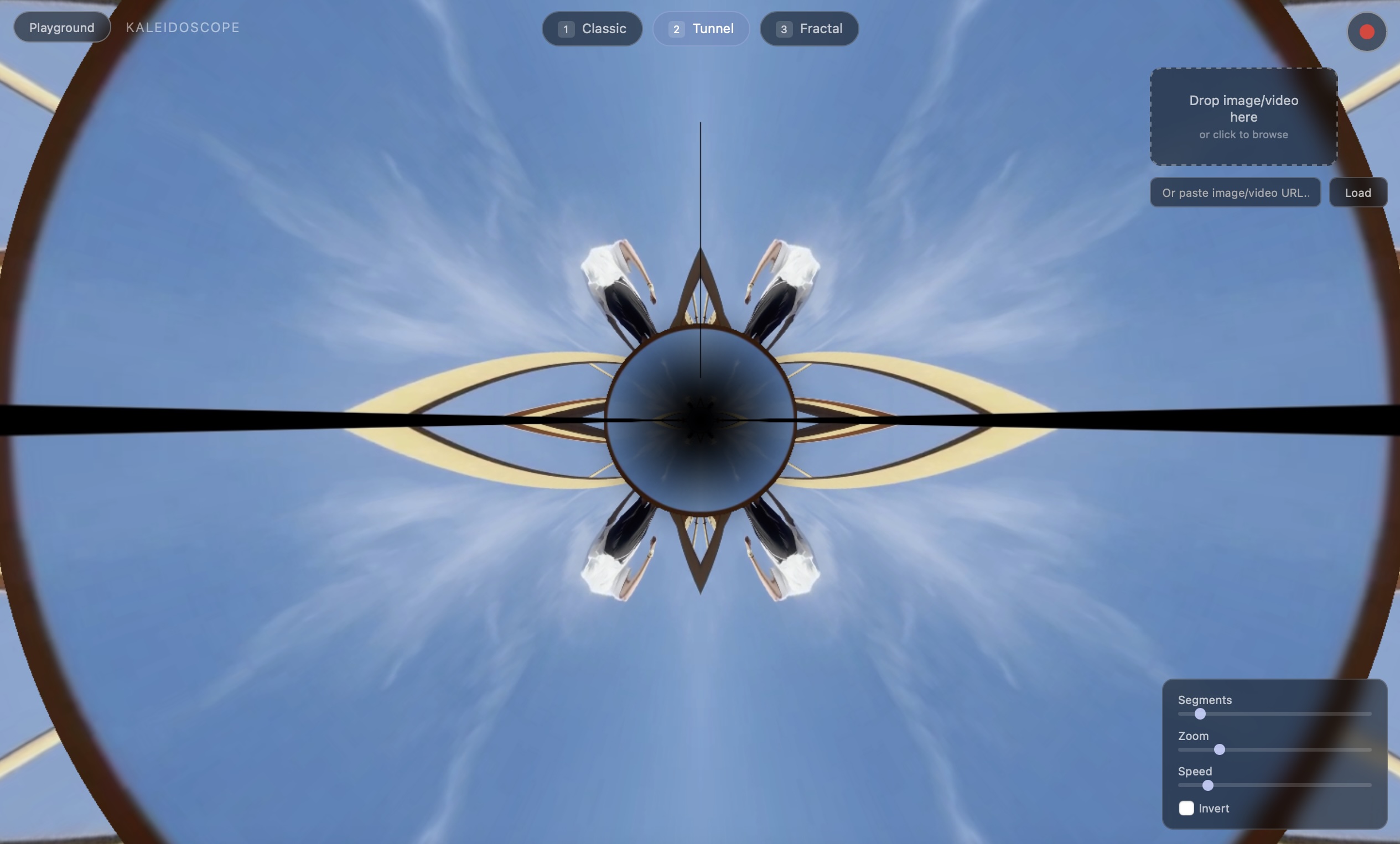
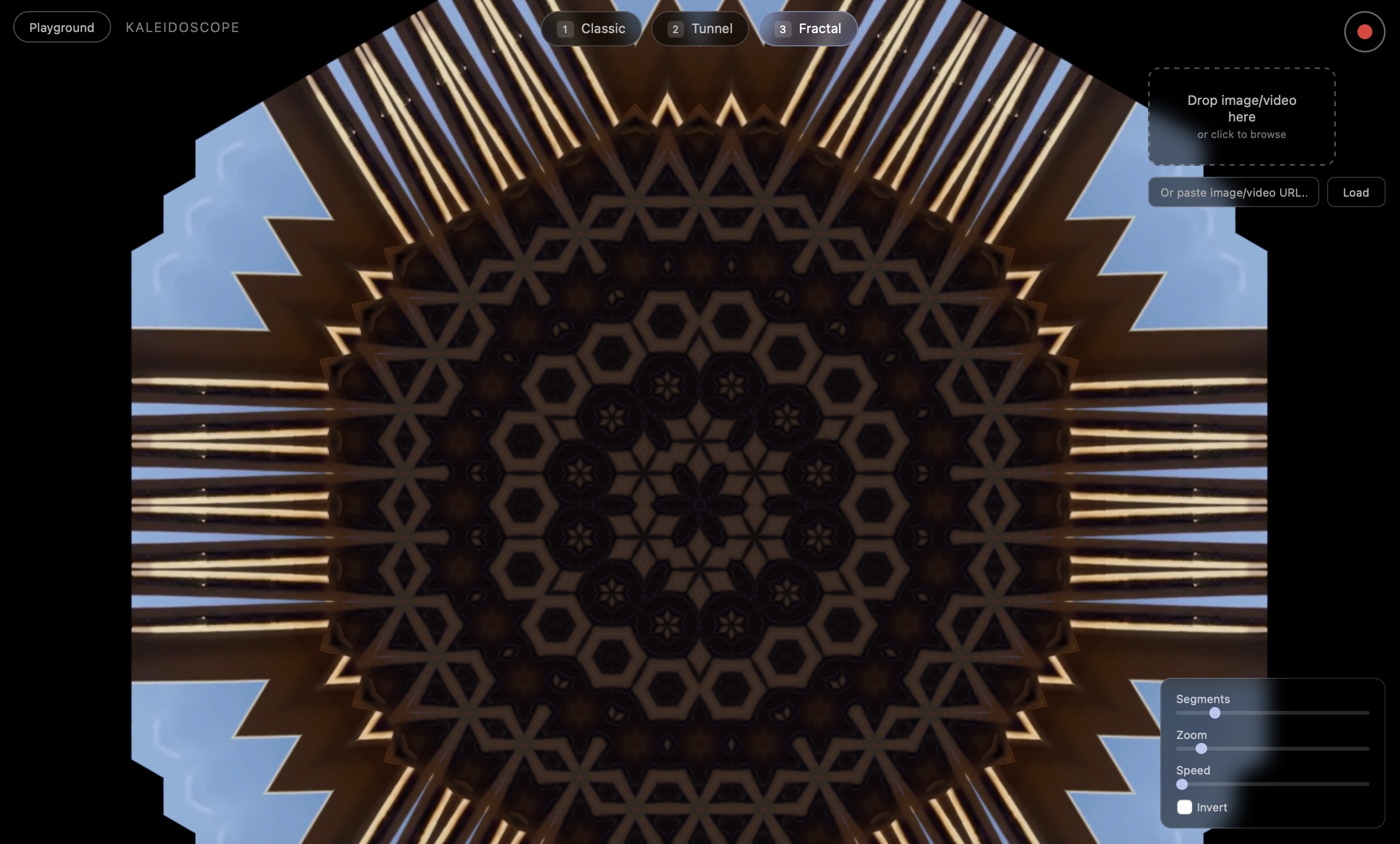
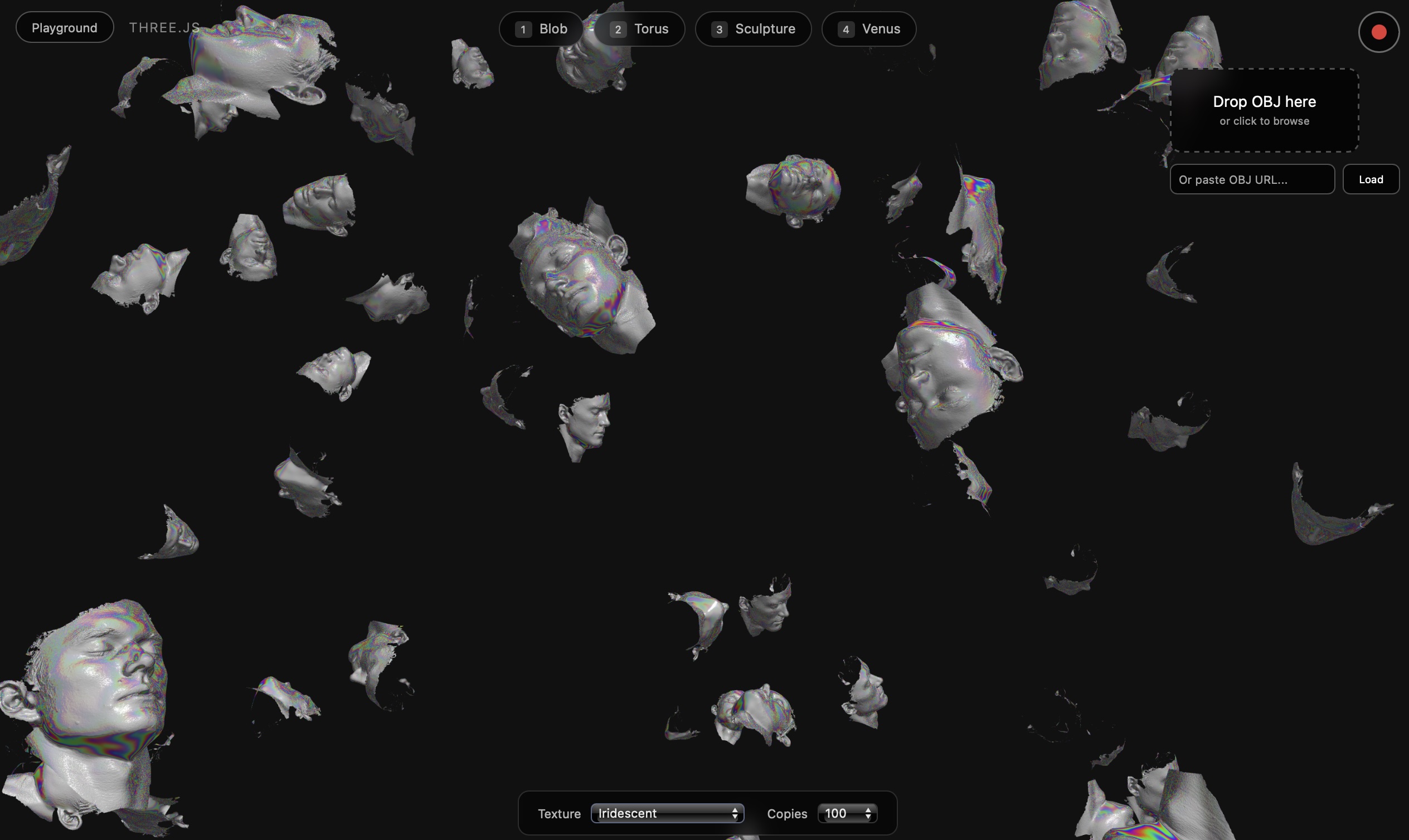
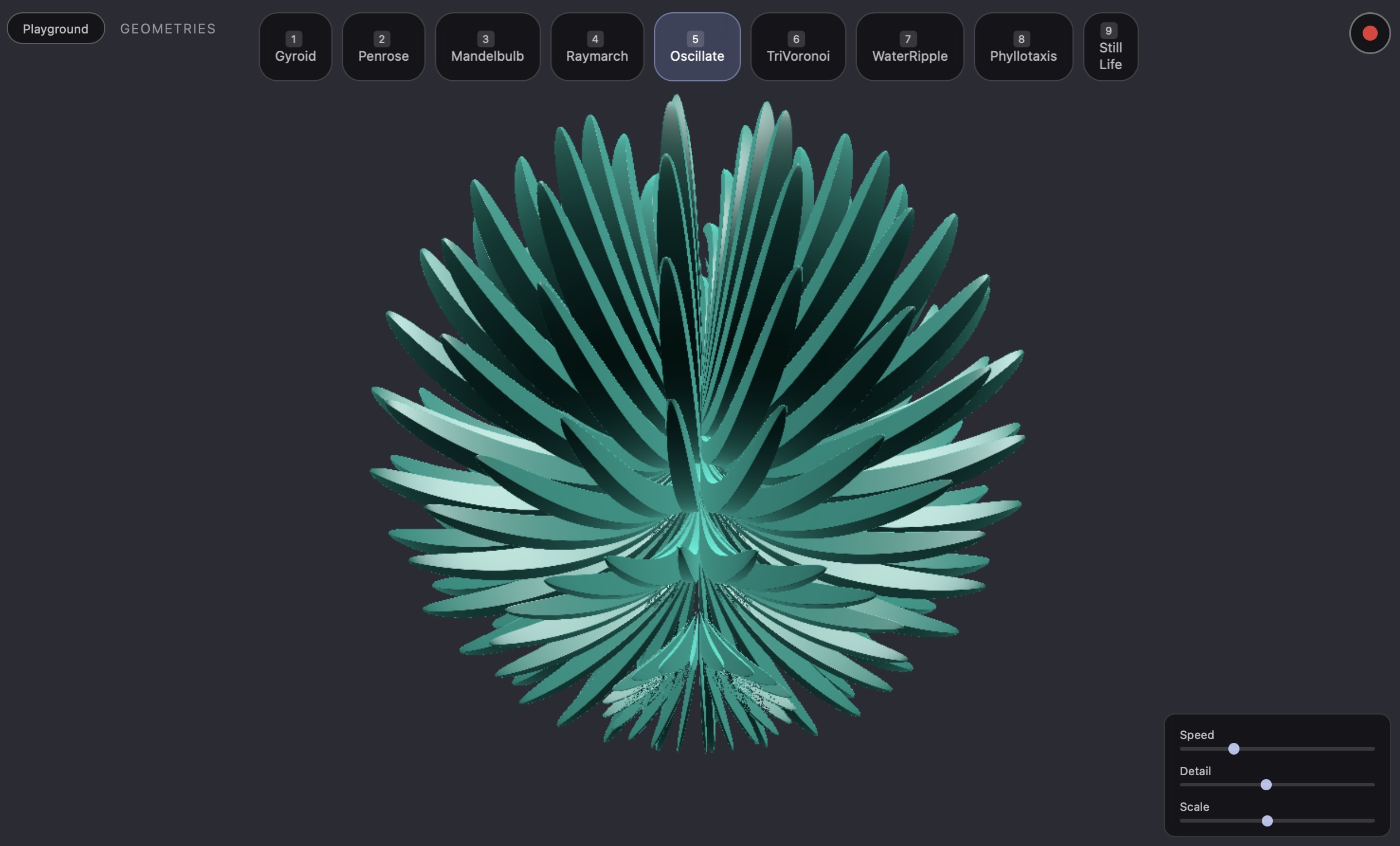
The site has three doors. The Classroom is five chapters of interactive tutorials, from what color should this pixel be? through animation, signed-distance fields, and the third dimension. The Playground is two dozen working pieces: kaleidoscopes, raymarched landscapes, fluid simulations, frame-feedback smears, audio-reactive distortions. Each editable, each recordable to MP4 in the browser. The Crit is a framework for looking at vibecoded work together: the technical pages teach how to make, the crit page teaches how to talk about what was made.
Live at https://vibes.cairn.com.
Source at https://github.com/douglasgoodwin/shader-playground.