Notes on Slop
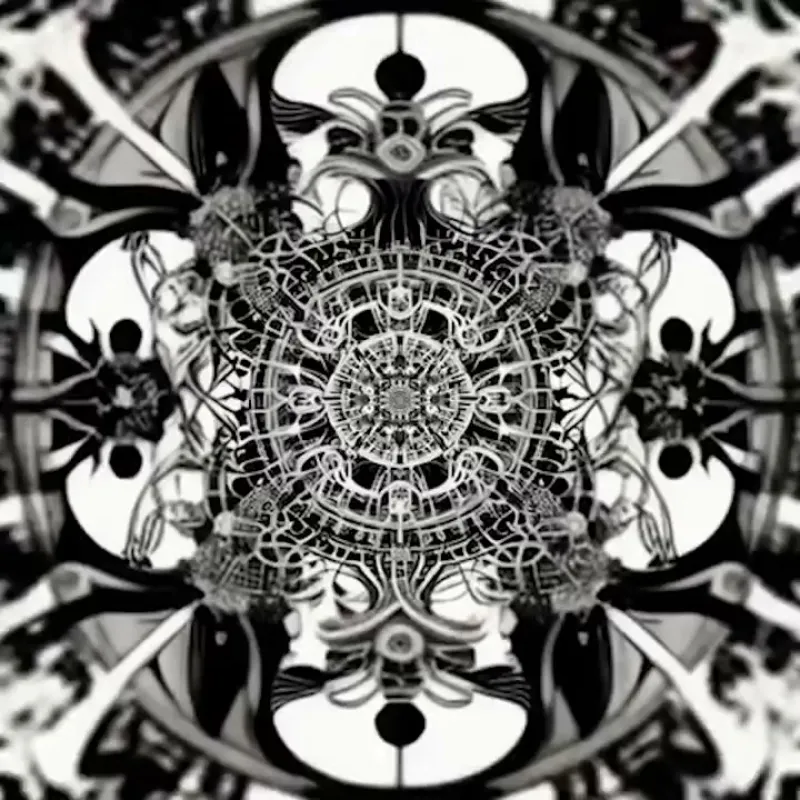
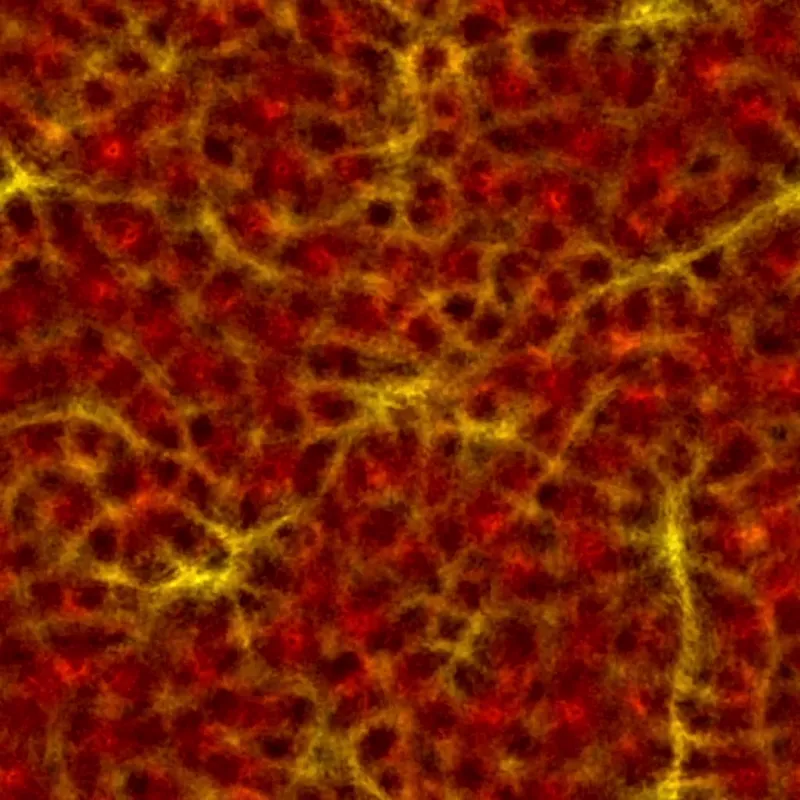
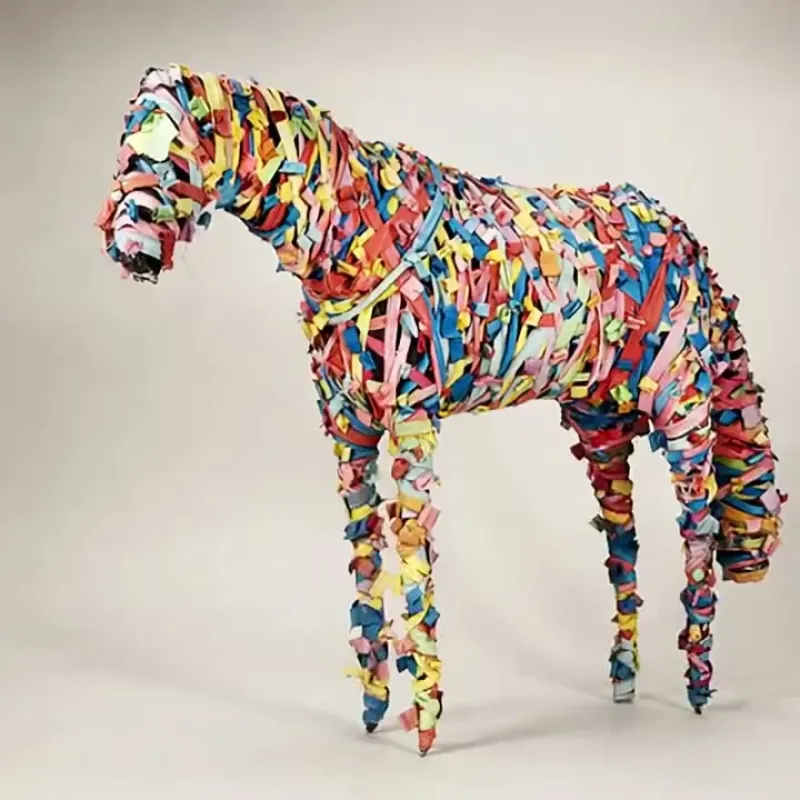
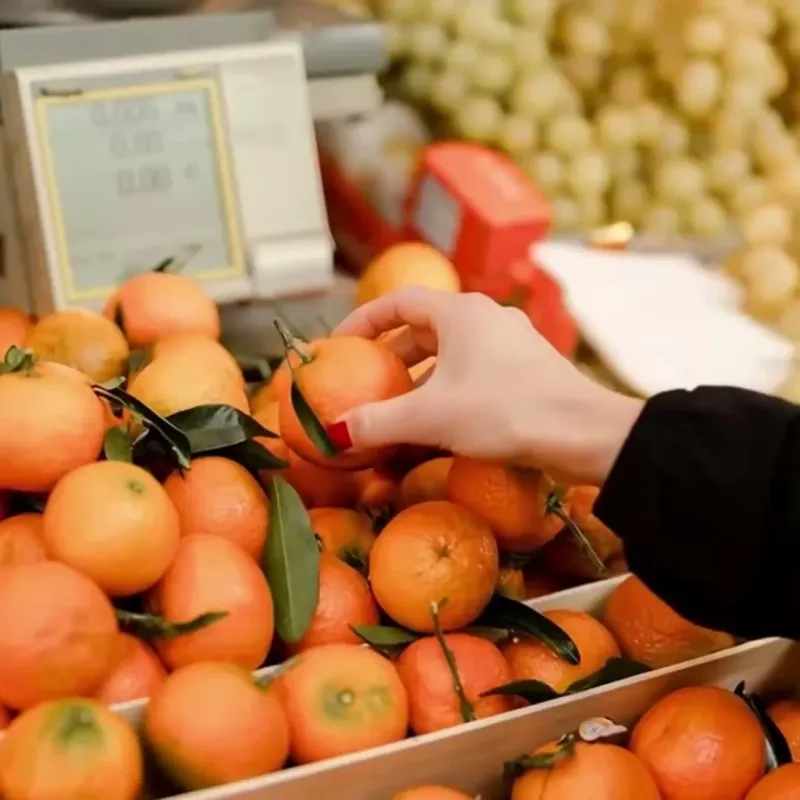
The taxonomy came later. After making enough of these experiments, I began to notice that the same kinds of things kept happening across very different tools and procedures. Images acquired things that had not been asked for. Details disappeared while identities remained intact. Materials behaved like other materials. Actions continued without consequences. Categories formed, and then their complements began to appear: another way for a system to overshoot or undershoot the same representational problem.
So these genera are retrospective, but they are not categories I invented and then set out to illustrate. They are a way of organizing things I encountered while making the work. This is a taxonomy under construction, not a definition settled in advance. Some specimens fit neatly; others don't, and those mismatches are often more useful. Synthetic, unstable, excessive, and uncanny are not necessarily synonyms for slop.
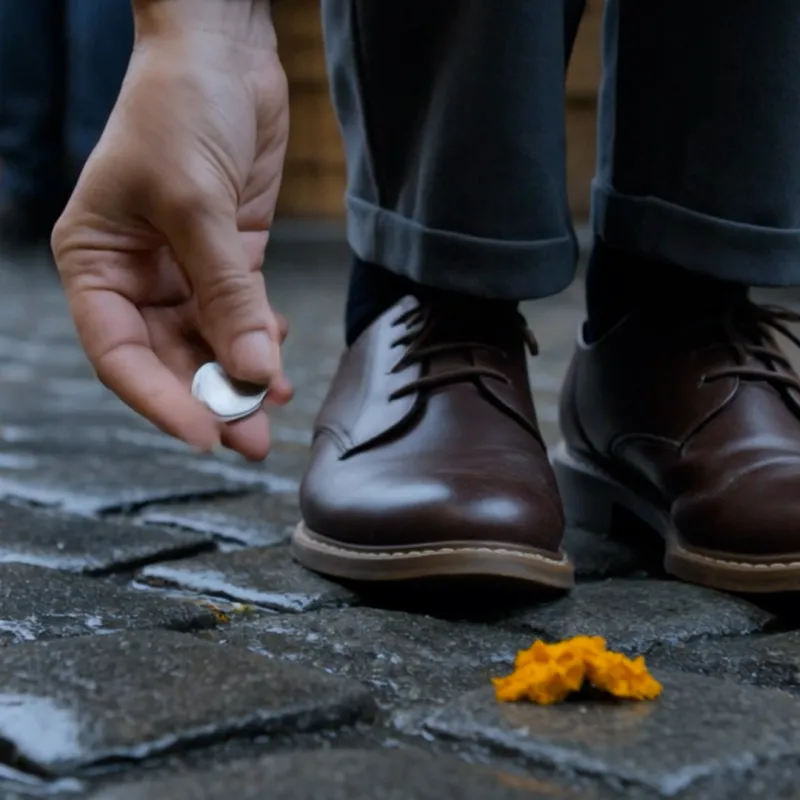
These are all moving images. A still can suggest an event; a moving image has to sustain one: things must persist, and what happens has to leave the world changed. Motion is where those demands come due, and where slop is easiest to catch in the act.
Breaking a video into its prompts, source images, constraints, intermediate states, and sequences makes it possible to ask a simple question: where did this quality enter? It may come from the model, from the procedure imposed on it, or from the movement between frames. Provenance helps tell the difference.
The taxonomy owes something to photographic typologies such as August Sander's People of the 20th Century and Bernd and Hilla Becher's studies of industrial structures. Their systems make similarities visible without eliminating the awkwardness of individual examples. That tension is useful here.
Working with generative systems is part of the inquiry. Their representational habits come from enormous collections of other people's images. Making images with them offers some purchase on those habits: not simply what a system gets wrong, but what it considers sufficient, what it insists on adding, and what it can discard while the representation still succeeds.
Every kind of slop is the shadow of a loss function.
A loss function measures how wrong a model is during training. Reducing some errors while tolerating others teaches the system which differences matter and which can be thrown away.
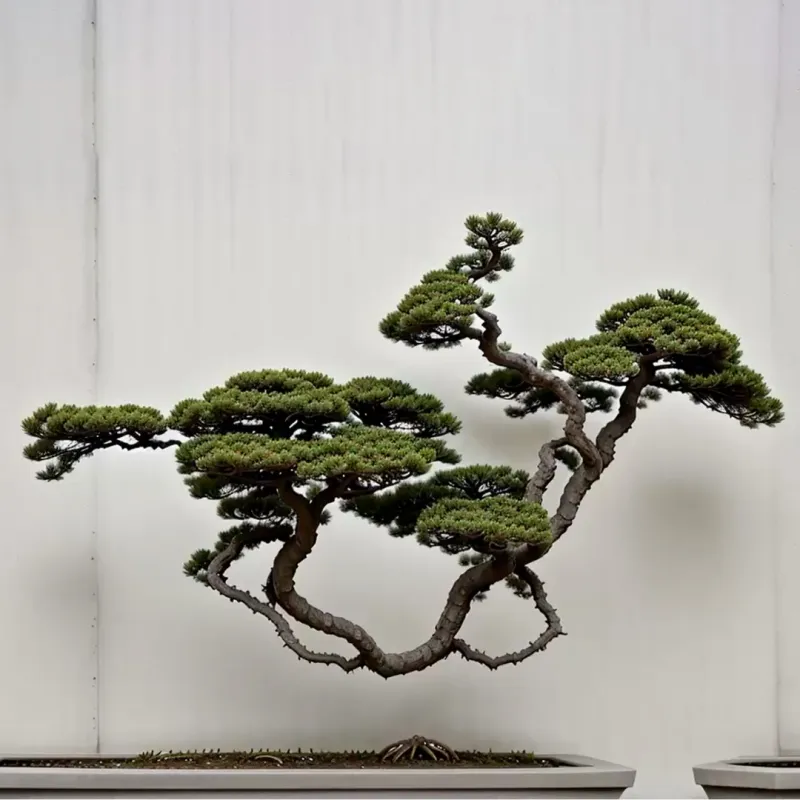
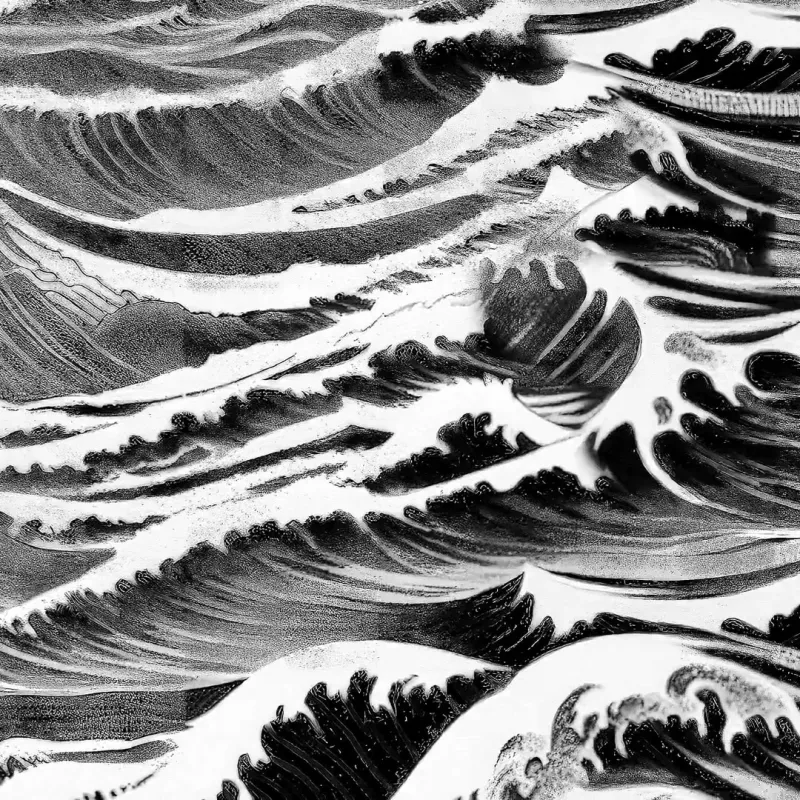
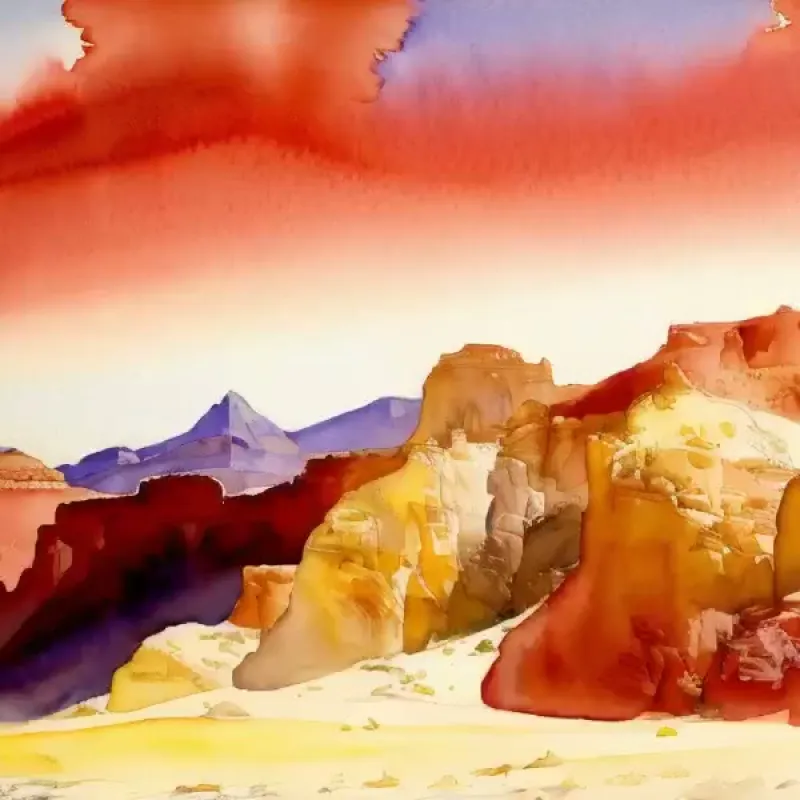
The works here examine what comes out the other side. A face smears and stays Björk; a napkin is remade moment to moment and stays water; a watercolor manner survives with no watercolor behind it. Underneath them runs one empirical question: what can change without changing what the image is? Each specimen makes visible a distinction between consequential and inconsequential difference: the loss function made visible, no mathematics required.